
Cities and Belonging
The Myth of SisyphusThis flow traces the emotional contrast between Algiers, Oran, Tipasa, and Europe as competing forms of homeland and exile.
increasing Bearing strength in each event
 decreasing
Bearing strength in each eventdecreasingAlgiers as Home
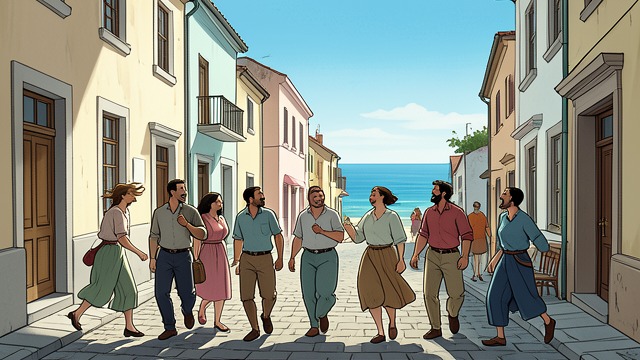
Algiers as Home
Sensual Recognition
Algiers is recognized through sea, light, bodies, and familiar streets. Its lack of abstract promise makes it emotionally direct.
Secret Affection
The city’s abundance carries a hidden bitterness, but that bitterness deepens attachment. Home is where the world can be felt without explanation.
Oran as Exile
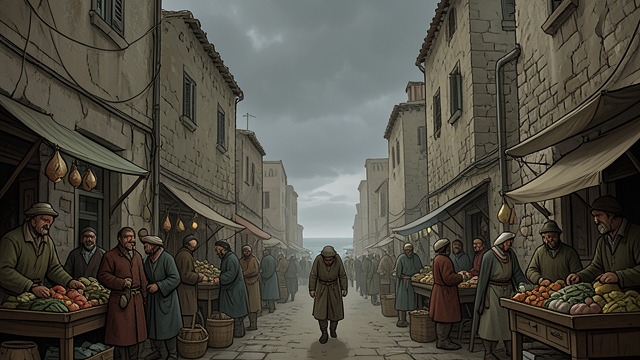
Oran as Exile
Walled City
Oran turns its back on the sea and encloses its inhabitants in dust, commerce, and boredom. Its emotional climate is one of anonymous estrangement.
Productive Absence
Yet the city’s lack of poetry creates a harsh solitude. Exile becomes useful when it strips away inherited meanings.
Tipasa as Memory
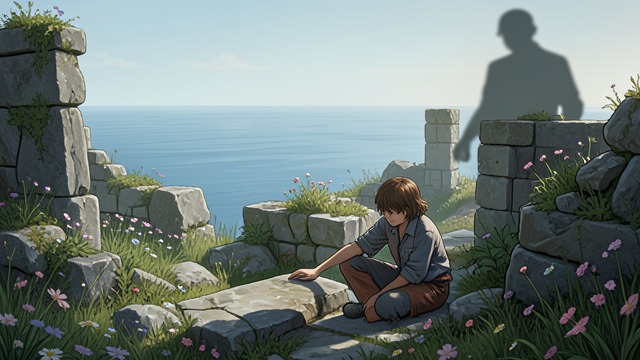
Tipasa as Memory
Youthful Sanctuary
Tipasa holds the memory of beauty before war and guilt. Its ruins preserve a bodily relation to landscape that history has damaged.
Dangerous Return
Returning there risks turning memory into nostalgia. The traveler must discover whether the place can still nourish action rather than merely mourn the past.
Europe as Burden
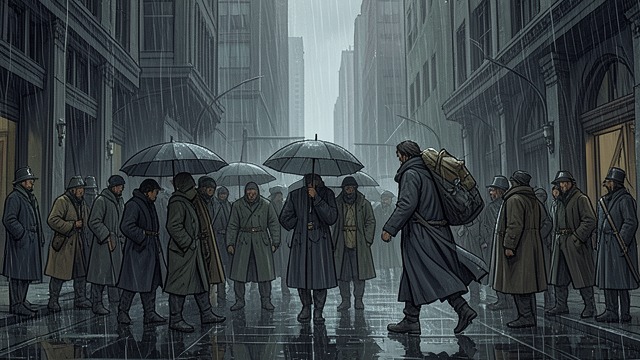
Europe as Burden
Winter of History
Europe is associated with war, tyranny, police power, and exhausted justice. Its cities carry the noise of centuries and revolutions.
Inescapable Home
The traveler cannot simply abandon Europe for beauty. Its crimes are also his, making political return a form of fidelity.
Homeland Reimagined
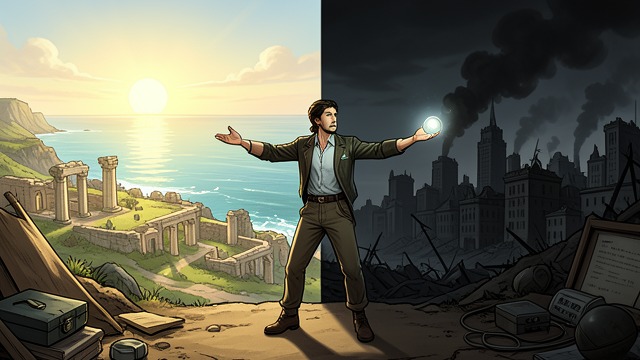
Homeland Reimagined
Two Directions
The true homeland joins the light of Tipasa with the suffering of Europe. Neither landscape alone can contain the whole human obligation.
Belonging Through Return
Home becomes a source of renewed responsibility rather than a place outside history. Attachment matures when it accepts both beauty and humiliation.
opening of Summer in Algiers
opening of The Minotaur essay
opening of Return to Tipasa
middle of Return to Tipasa
conclusion of Return to Tipasa
